
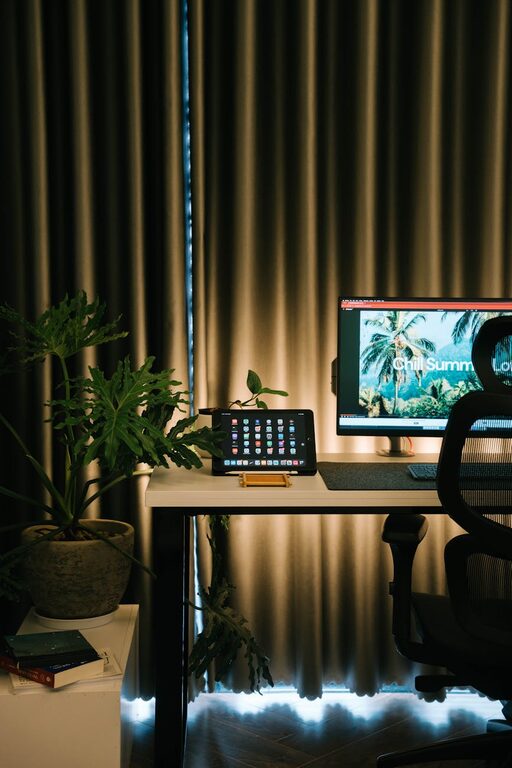
Creating a relaxing home office is essential for anyone working from home. A calm and organized workspace not only helps reduce stress but also improves your focus and productivity. Whether you have a small corner or a dedicated room, these tips will guide you in designing a comfortable and peaceful environment.
Choose the Right Location
Selecting the best spot for your home office sets the foundation for a relaxing space.
– Natural Light: Try to work near a window. Natural light boosts mood and reduces eye strain.
– Quiet Area: Pick a spot away from noisy parts of your home, such as the kitchen or living room.
– Comfortable Temperature: Make sure the space is easy to heat or cool so you feel comfortable throughout the day.
Declutter and Organize
A clean and tidy space encourages clear thinking and relaxation.
– Minimal Essentials: Keep only what you need on your desk to avoid distractions.
– Storage Solutions: Use shelves, drawers, or organizers to store papers and supplies neatly.
– Daily Reset: Spend a few minutes at the end of the day putting things back to their place.
Invest in Comfortable Furniture
Ergonomics plays a big role in your comfort and well-being.
– Ergonomic Chair: Choose a chair that supports your posture and allows you to sit comfortably for hours.
– Adjustable Desk: If possible, consider a desk that adjusts for sitting or standing.
– Proper Desk Height: Make sure your desk height allows your arms to rest comfortably while typing.
Use Soothing Colors and Decor
Colors and design affect your mood and concentration.
– Calming Colors: Soft greens, blues, or neutrals are perfect for creating a calm atmosphere.
– Personal Touches: Add plants, artwork, or photos that inspire and relax you.
– Avoid Overcrowding: Keep decor simple to maintain a peaceful look.
Control Lighting
Proper lighting helps reduce eye fatigue and creates a comfortable environment.
– Layer Lighting: Combine natural light with task lighting and ambient lighting.
– Adjustable Lamps: Desk lamps with adjustable brightness can help when natural light is low.
– Avoid Glare: Position screens to avoid reflections from windows or lamps.
Incorporate Natural Elements
Bringing nature inside can increase calmness and creativity.
– Indoor Plants: Choose low-maintenance plants like succulents or ferns.
– Natural Materials: Use wood or stone accents in furniture or accessories.
– Fresh Air: Open a window occasionally to let in fresh air if possible.
Create a Noise-Controlled Space
Sound can greatly impact your ability to relax and focus.
– Use Headphones: Noise-cancelling headphones can block distractions.
– Soft Background Music: If helpful, play gentle instrumental music or nature sounds.
– Soundproofing: Add rugs, curtains, or even wall panels to reduce echo and outside noise.
Maintain a Routine and Breaks
A relaxing environment also comes from your work habits.
– Set Clear Hours: Define work times and breaks to balance focus and rest.
– Take Regular Breaks: Move around, stretch, or step outside briefly to recharge.
– End-of-Day Ritual: Close your office door or pack up your workspace to signal the end of work.
Use Technology Wisely
Technology supports your work but can also add stress if not managed.
– Organized Cables: Use cable ties or organizers to keep cords tidy.
– Limit Notifications: Turn off non-essential alerts that interrupt your flow.
– Declutter Desktop: Keep your computer screen organized with minimal open tabs and folders.
Final Thoughts
Designing a relaxing home office is about creating a space where you feel comfortable, focused, and calm. Small changes like better lighting, a supportive chair, or a plant can make a big difference in your workday. Remember, your home office should support your well-being as much as your work — take the time to personalize it and maintain it regularly for lasting benefits.
About the Author