
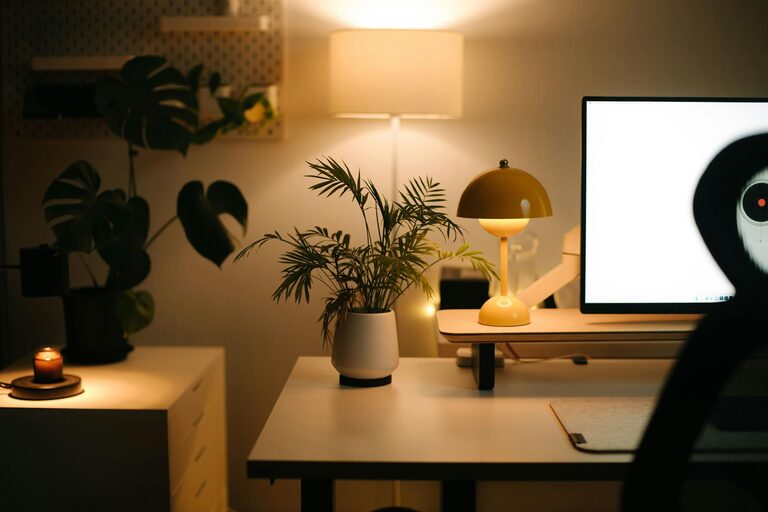
Creating a cozy and inviting home workspace is essential for staying productive and motivated, especially when working from home has become a normal part of life. A well-designed workspace not only enhances focus but also contributes to your overall wellbeing. Here are practical tips to help you craft a home office that feels welcoming and boosts your work efficiency.
Choose the Right Location
Start by selecting a spot in your home that offers enough space and natural light. Ideally, this should be a quiet area away from heavy foot traffic. A corner in your bedroom, a spare room, or even a nook by a window can make a great workspace. Natural light is key—it helps reduce eye strain and lifts your mood throughout the day.
Tips for Optimal Location:
– Avoid noisy areas like near the TV or kitchen
– Position your desk near a window if possible
– Ensure there are enough outlets for your devices
Invest in Comfortable Furniture
Comfort is crucial when setting up a home workspace. Invest in an ergonomic chair that supports your back and encourages good posture. Your desk should be at a height that allows your arms to rest comfortably while typing or writing.
Furniture Considerations:
– Adjustable chair with lumbar support
– Desk with enough surface area for your equipment
– Footrest, if needed, for additional comfort
Use Warm and Soothing Colors
Color can significantly affect your mood and productivity. Soft, warm tones like light beige, soft greens, or muted blues create a calming environment that helps reduce stress. Avoid overly bright or dark colors in your workspace, as they can be distracting or dreary.
Keep Your Workspace Organized
An organized workspace minimizes distractions and helps you stay focused. Use storage solutions such as shelves, drawers, or boxes to keep supplies tidy. Make it a habit to clear your desk at the end of each day.
Organization Tips:
– Use cable organizers to reduce clutter
– Label storage boxes for easy access
– Keep only essential items on your desk
Add Personal Touches
Incorporate elements that make the space feel uniquely yours. This could include your favorite artwork, inspiring quotes, or a small collection of meaningful objects. Plants also add a refreshing touch while improving air quality.
Ideas for Personalizing:
– Framed photos or prints
– Desk plants like succulents or ferns
– A cozy throw or cushion on your chair
Lighting Matters
Along with natural light, good artificial lighting is vital. Use a desk lamp with adjustable brightness to focus on detailed tasks. Avoid harsh overhead lighting, as it can cause glare and fatigue.
Lighting Tips:
– Choose warm white bulbs for a cozy feel
– Position lamps to avoid screen reflection
– Use dimmer switches if possible to control brightness
Manage Noise Levels
If your home is noisy, consider ways to minimize distractions. Noise-canceling headphones can help, or playing soft instrumental music or white noise can create a calming background. Soundproofing curtains or rugs also help absorb sound.
Encourage Movement
Sitting for long periods can affect your health and concentration. Incorporate small ways to move throughout your workday.
Movement Tips:
– Use a timer to remind you to stand and stretch every hour
– Consider a standing desk option, even if it’s just for part of the day
– Keep a yoga mat or exercise bands nearby for quick breaks
Maintain Good Air Quality
Fresh air boosts brain function and keeps you alert. Open windows regularly if possible. You can also use an air purifier or add indoor plants known for improving air quality, such as spider plants or peace lilies.
Set Boundaries
Finally, establishing boundaries between work and personal life helps maintain balance and reduces stress. Use your cozy workspace as your designated place for work only, and when the day ends, close or leave the space to mentally disconnect.
—
Creating a cozy and inviting home workspace takes a little planning and personalization, but the benefits are worth it. By arranging your space thoughtfully, choosing the right furniture, adding personal touches, and managing the environment, you make your work hours more pleasant and productive. Start small and adjust your setup to find what works best for you, turning your workspace into a place you look forward to using every day.
About the Author