
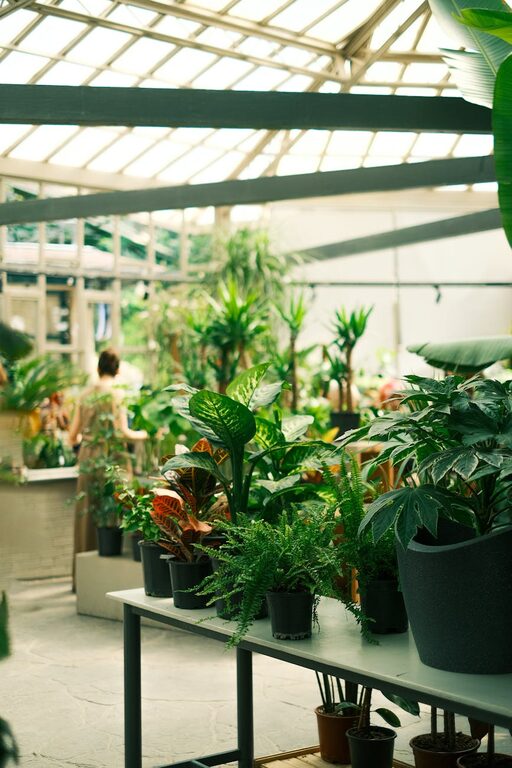
Indoor plants bring life, color, and fresh air into our homes, but maintaining a healthy collection throughout the year requires some attention and care. Whether you’re a beginner or have a thriving plant family, these simple tips will help you keep your indoor plants vibrant and happy no matter the season.
Understanding Your Plants’ Needs
Each indoor plant species has its unique requirements. Before diving into general care tips, it’s helpful to know the basics about your plants:
– Light: Some plants thrive in bright, direct sunlight, while others prefer low or indirect light.
– Water: Overwatering is a common mistake; some plants need moist soil, others like it to dry out between watering.
– Humidity and Temperature: Tropical plants often appreciate higher humidity and stable temperatures.
Knowing these details helps you tailor your care routine effectively.
Year-Round Care Tips
1. Monitor Light Exposure
Plants need light to photosynthesize, but the intensity and duration vary by species. Position your plants near windows with appropriate light levels.
– In winter, when natural light is limited, consider using grow lights to supplement.
– Rotate your plants every week or two to ensure even light exposure and balanced growth.
2. Water Wisely
Watering needs change with the seasons.
– In warmer months, plants usually need more frequent watering due to increased evaporation.
– During winter, many plants enter dormancy and require less water.
– Always check the soil moisture before watering; a finger inserted an inch into the soil can help gauge moisture levels.
– Use room-temperature water to avoid shocking the roots.
3. Maintain Proper Humidity
Indoor air can become dry, especially in winter with heating systems running.
– Group plants together to create a micro-humid environment.
– Use a humidifier if your home is very dry.
– Mist plants like ferns and tropical varieties occasionally to increase humidity.
4. Feed Your Plants Regularly
Plants require nutrients to grow well.
– Use a balanced liquid fertilizer formulated for indoor plants every 4-6 weeks during the growing season (spring and summer).
– Reduce or stop fertilizing in fall and winter when plants grow more slowly.
5. Keep an Eye Out for Pests
Indoor plants are less prone to pests than outdoor ones but can still attract unwanted insects like spider mites, aphids, and scale.
– Regularly inspect your plants, especially the undersides of leaves.
– Wipe leaves with a damp cloth to remove dust and potential pests.
– For infestations, isolate the plant and treat with insecticidal soap or neem oil.
6. Prune and Groom Your Plants
Removing dead or yellowing leaves encourages new growth and keeps plants looking their best.
– Use clean scissors to trim away damaged foliage.
– Pinch back leggy or overgrown stems to promote bushier growth.
– Clean plant leaves gently to allow better photosynthesis.
7. Repot When Necessary
As plants grow, they can outgrow their containers.
– Repot every 1-2 years or when roots start circling the pot.
– Choose a pot slightly larger than the current one with drainage holes.
– Use fresh, well-draining potting mix suited to your plant’s needs.
8. Adjust Temperature and Ventilation
Most houseplants prefer temperatures between 65°F and 75°F (18°C – 24°C).
– Avoid placing plants near heating vents, radiators, or cold drafts.
– Ensure good air circulation to reduce mold and fungal issues.
Seasonal Considerations
Spring and Summer
– Increase watering and fertilizing as plants enter active growth.
– Provide bright light and consider moving sun-loving plants outdoors temporarily.
– Inspect plants frequently for pests.
Fall and Winter
– Reduce watering and stop fertilizing as growth slows.
– Move plants to brighter spots to compensate for shorter days.
– Monitor humidity closely and use humidifiers if needed.
Creating a Care Routine
Developing a simple schedule can help you remember plant care tasks:
– Weekly: Check soil moisture, rotate plants, wipe leaves.
– Monthly: Fertilize during growth season, inspect for pests.
– Every 1-2 years: Repot plants as needed.
Recording observations about each plant’s response will make it easier to tailor your care approach.
Conclusion
Maintaining a healthy indoor plant collection year-round is rewarding and manageable with a little attention to their changing needs. By providing the right light, water, humidity, nutrients, and care, your indoor garden will flourish through every season. Happy planting!
About the Author