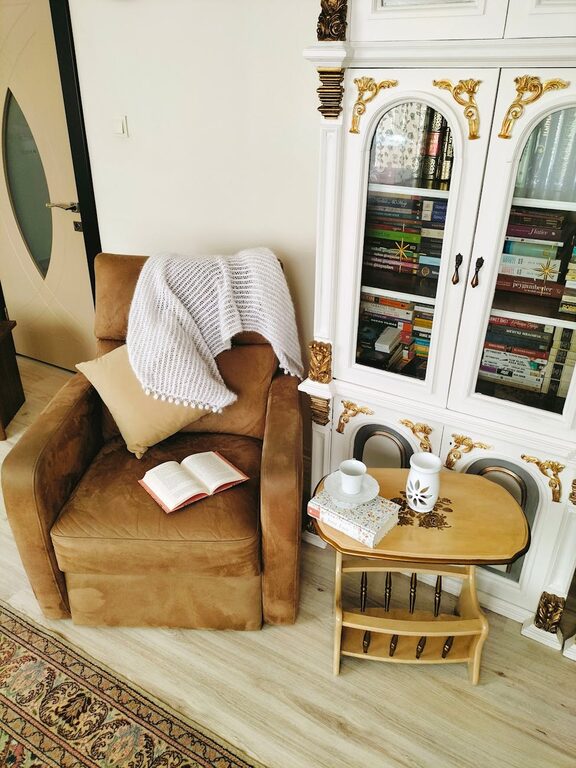
Creating a relaxing home workspace is essential for maintaining productivity and comfort, especially as many people continue to work remotely or spend more time at home. A well-designed workspace can help you focus, reduce stress, and improve your overall work experience. Here are practical tips and ideas to help you create an environment that supports your best work and wellbeing.
Why a Relaxing Home Workspace Matters
When your workspace feels inviting and organized, it encourages you to settle in and concentrate effectively. On the other hand, a cluttered or uncomfortable area can drain your energy and distract you. By intentionally designing your workspace to be both comfortable and functional, you set yourself up for greater success and satisfaction.
—
Choose the Right Location
Find a Quiet Spot
Select a space in your home that is as free from noise and interruptions as possible. This could be a spare room, a corner in your living room, or even a nook in your bedroom. A quieter location helps minimize distractions and allows you to focus.
Consider Natural Light
Whenever possible, choose a spot near a window. Natural light not only brightens your workspace but also helps regulate your sleep cycle and boost mood. Position your desk so that the light falls beside or slightly in front of you to avoid glare on your screen.
—
Invest in Comfortable Furniture
Ergonomic Chair
A supportive, ergonomic chair is key to staying comfortable during long hours of work. Look for chairs that offer adjustable height, lumbar support, and cushioning that suits your body.
Proper Desk Height
Your desk should allow your arms to rest comfortably at about a 90-degree angle when typing. If you don’t have an adjustable desk, consider using an external keyboard and mouse along with a laptop stand to achieve the ideal setup.
—
Organize Your Space for Efficiency
Declutter Regularly
Keep your desk tidy by removing unnecessary items. A clutter-free area helps clear your mind and prevents distractions.
Use Storage Solutions
Incorporate shelves, drawers, or organizers to keep essential items within reach but neatly stored. Labeling storage bins or files can save time when searching for important documents.
—
Create a Calm Atmosphere
Choose Soft Colors
Colors influence mood. Soft, muted tones like light blues, greens, or neutrals tend to be calming and promote concentration. Avoid overly bright or harsh colors that might cause visual fatigue.
Add Greenery
Plants can improve air quality and add a refreshing natural touch to your workspace. Even small succulents or potted herbs can make a difference in creating a peaceful vibe.
Personalize Thoughtfully
Include a few personal items like photos, artwork, or inspirational quotes that motivate you without overcrowding your space.
—
Optimize Lighting and Screen Setup
Adjustable Lighting
In addition to natural light, use adjustable desk lamps to ensure your work area is well-lit during evenings or cloudy days. Warm white lights tend to be softer on the eyes than bright, cool-toned bulbs.
Screen Position
Place your computer monitor at eye level and about an arm’s length away. This reduces neck strain and eye fatigue. Consider using a monitor stand or adjustable arm to achieve the best height.
—
Manage Sounds and Distractions
Noise Control
If you can’t find a quiet space, noise-cancelling headphones or soft background music (instrumental or nature sounds) can help mask distractions.
Set Boundaries
Make it clear with family or housemates when you are working and should not be disturbed to protect your focus time.
—
Enhance Comfort and Movement
Keep Essentials Nearby
Have water, snacks, and frequently used items close by so you don’t need to interrupt your workflow often.
Encourage Movement
Take regular breaks to stretch or walk around. Consider using a standing desk or a balance ball chair to vary your posture throughout the day.
—
Final Thoughts
Designing a relaxing home workspace doesn’t require a major renovation or expensive equipment. Simple adjustments focused on comfort, organization, lighting, and personalization can transform your area into a productive haven. Start small by evaluating your current setup and making incremental improvements. Over time, these changes will help you work more efficiently and enjoy your home office experience.
Remember, the key is to create a space that feels right for you—where focus and comfort go hand in hand.
About the Author